
Tea Ceremony Experience
in a Tea Room
- A Quiet and Savorable Tea
Entering the quiet tea room,
you will find yourself
surrounded by a dignified atmosphere,
away from the everyday. At Nihon Essence,
you can enjoy seasonal Japanese sweets
and tea carefully prepared by the instructor.
The instructor will explain the basics
of the tea ceremony and proper etiquette
in an easy-to-understand manner,
so even beginners can feel at ease.
In the tranquility of a tea room,
you can experience the beauty
of Japanese culture and relax.


Tsukubai (stone basin)
A water basin for purifying the hands and mouth before entering the tea room. It is an important place to calm the mind and prepare to proceed to the tea room.

Nijiriguchi (entrance)
Entering through the small entrance and hunching over is a way to compose oneself and ensure that everyone enters the tea room on equal footing.

Tokonoma alcove
This is the most important place in the tea room. Seasonal hanging scrolls and flowers are displayed here, expressing the theme of the day and the spirit of hospitality.

Matcha tea and sweets
Before enjoying tea, we are served traditional Japanese sweets, followed by the matcha tea itself. This uniquely Japanese custom allows us to savor the harmony of sweetness and bitterness.

Prepare tea
You will enjoy matcha tea that has been carefully prepared by the instructor.
Enjoy the authentic flavor, achieved by using a bamboo whisk to create a finely textured finish.

Floor pillar
Standing beside the alcove, this pillar is an important element that quietly supports the overall impression of the space.
This tea room uses magnolia wood. The magnolia is known as a flower that symbolizes purity and nobility, and its soft texture and dignified presence bring a quiet elegance to the space.
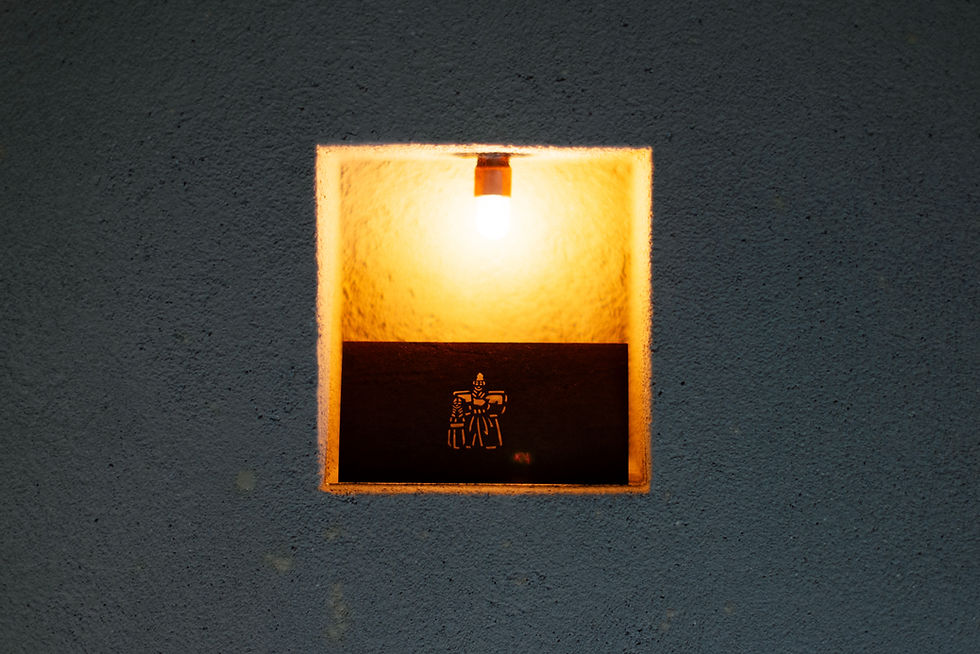
Niche
These are small recesses in the wall, designed to display flowers, vases, and other decorative items. They create a subtle yet beautiful effect.

Display shelf
This is a small decorative shelf, approximately 10 cm deep, installed in a part of the alcove.
By subtly decorating with vases, flowers, and other items, you can create a delicate expression and depth within a limited space.

Shoji (paper screen)
Traditional Japanese architectural elements made with washi paper. They let in soft light, bringing a gentle brightness to the tea room.